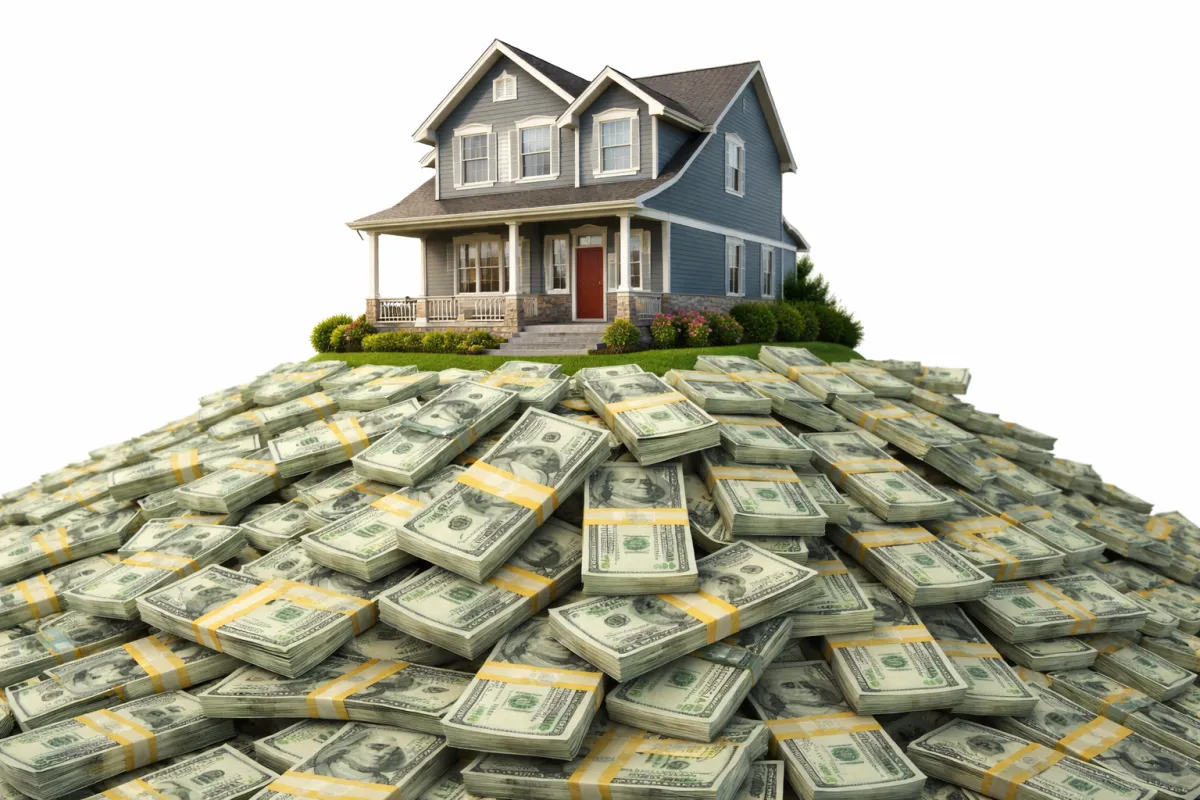
The Risk of Overpricing
Does Overpricing Your Home Hurt the Sale? Why “Testing the Market” Can Backfire
Many homeowners believe they can simply price their home high and “test the market.” If it doesn’t sell, they’ll lower the price later.
It sounds logical.
But in real estate, this strategy often leads to longer time on the market and lower final sale prices.
Let’s break down why.
The First Two Weeks Matter Most
When a home is first listed, it receives the most exposure it will ever get.
New listings trigger alerts for buyers, real estate agents schedule showings, and online platforms push the property to the top of search results.
This period is when buyers are the most excited and motivated.
If the price is too high during this window, buyers often skip the home completely because it doesn’t match their search criteria or budget expectations.
That means the home can miss its strongest opportunity to attract serious interest.

Buyers Compare Everything
Today’s buyers are incredibly informed.
They can quickly compare your home with others in the same price range, neighborhood, and condition.
If similar homes are priced lower, buyers often choose those instead — even if your home is nicer.
Pricing above the market can make your property appear less competitive from the start.
The “Stale Listing” Effect
When a home sits on the market longer than expected, buyers start asking questions:
Why hasn’t it sold?
Is there something wrong with it?
Will the seller negotiate more?
This perception can weaken your negotiating power and may result in lower offers later.
The Surprising Truth About Price Reductions
Many homeowners assume that if their home doesn't sell, they can simply reduce the price later.
But repeated price reductions can signal desperation to buyers.
Instead of creating excitement, they often encourage buyers to wait for an even lower price.
The Better Strategy: Strategic Pricing
Homes priced correctly from the beginning often attract:
More showings
More buyer interest
Stronger offers
Faster sales
In competitive markets, accurate pricing can even lead to multiple offers, which may push the final sale price higher.

The Bottom Line
Testing the market by overpricing might seem safe, but it can actually cost sellers time and money.
The most successful home sales start with a pricing strategy based on current data, neighborhood trends, and buyer demand.
If you’re thinking about selling and want to understand what buyers may realistically pay for your home, a professional market analysis can provide helpful insight.

